
 By sandesh.surya28
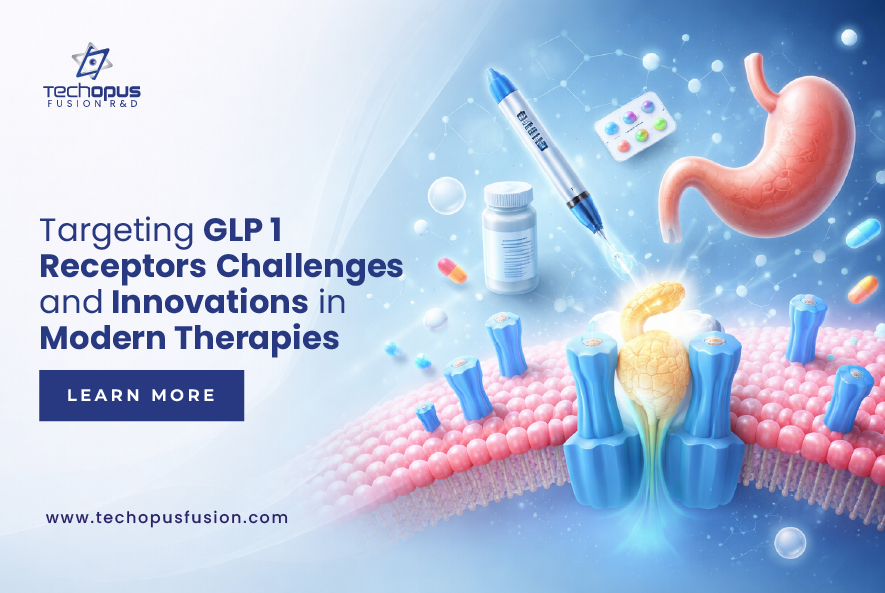
GLP 1 receptors have become a major focus in modern medicine due to their role in regulating blood sugar, appetite, and metabolism. Advances in GLP 1 receptor targeting have led to new treatment options for diabetes, obesity, and other metabolic disorders. However, there are still challenges in GLP 1 drug development that researchers and clinicians continue to address.
This blog explores the science behind GLP 1 therapies, the hurdles in their development, and the innovations shaping the future of metabolic disease treatment.
What Are GLP 1 Receptors and Why They Matter
GLP 1 receptors are proteins found in the pancreas, brain, and gastrointestinal tract. They respond to glucagon like peptide 1, a hormone that stimulates insulin release, reduces appetite, and slows gastric emptying.
Because of these effects, GLP 1 receptor targeting has become a powerful strategy in metabolic disease treatment. Activating these receptors can help control blood glucose levels and support weight management.
The Role of GLP 1 Therapies in Modern Medicine
GLP 1 therapies are a class of drugs designed to mimic or enhance the action of natural GLP 1. These therapies are widely used in diabetes care and are increasingly studied for obesity and cardiovascular risk reduction.
Incretin based therapies, including GLP 1 receptor agonists, improve insulin secretion and reduce glucagon levels. This dual action makes them effective for managing type 2 diabetes and other metabolic conditions.
Challenges in GLP 1 Receptor Targeting
Despite their benefits, GLP 1 receptor targeting presents several challenges. One major issue is drug stability, as GLP 1 molecules can degrade quickly in the body. This has led to the need for modified formulations and delivery systems.
Another challenge is side effects such as nausea, vomiting, and gastrointestinal discomfort. These effects can limit patient adherence and require careful dosing strategies.
Cost and accessibility are also concerns. Many GLP 1 therapies are expensive, which can restrict their use in broader populations. Researchers are working to develop more affordable and long lasting treatment options.
Innovations in GLP 1 Drug Development
Recent advances in GLP 1 drug development focus on improving efficacy, safety, and convenience. Long acting injectable formulations and oral GLP 1 therapies are expanding treatment options and improving patient compliance.
Combination therapies that target multiple metabolic pathways are also emerging. These approaches aim to enhance weight loss and glycemic control while reducing side effects.
Biotechnology innovations such as peptide engineering and novel delivery systems are helping to improve the stability and effectiveness of incretin based therapies. These advancements are shaping the future of metabolic disease treatment.
Future Directions in Metabolic Disease Treatment
The future of GLP 1 receptor targeting lies in personalized medicine and next generation therapies. Researchers are exploring new molecules, combination drugs, and gene based approaches to improve outcomes for patients with metabolic disorders.
As understanding of GLP 1 receptors continues to grow, these therapies may expand beyond diabetes and obesity to address cardiovascular disease, neurodegenerative conditions, and other chronic disorders.
If you are a healthcare professional, researcher, or industry stakeholder, staying informed about GLP 1 receptor targeting and GLP 1 drug development is essential. Explore emerging research, clinical trials, and therapeutic innovations to remain at the forefront of metabolic disease treatment advancements.
Frequently Asked Questions
What are GLP 1 receptors
GLP 1 receptors are proteins that respond to the hormone GLP 1 and help regulate insulin secretion, appetite, and blood glucose levels.
What are GLP 1 therapies used for
GLP 1 therapies are primarily used to treat type 2 diabetes and obesity and are being studied for other metabolic and cardiovascular conditions.
What are incretin based therapies
Incretin based therapies are drugs that enhance the action of incretin hormones like GLP 1 to improve blood sugar control.
What challenges exist in GLP 1 drug development
Challenges include drug stability, side effects, cost, and patient adherence to long term treatment.
How is GLP 1 receptor targeting evolving
Innovations include long acting formulations, oral delivery options, combination therapies, and advanced peptide engineering techniques.