
 By sandesh.surya28
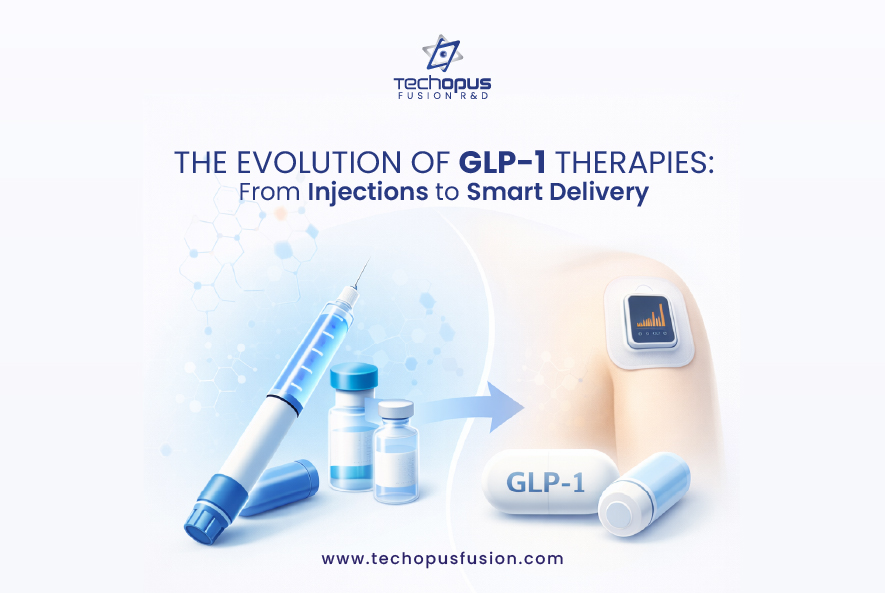
GLP-1 therapies have revolutionized metabolic disease treatment, offering new hope for patients with diabetes and obesity. Since their introduction, these therapies have evolved from simple injectable drugs to sophisticated delivery systems that improve patient convenience, adherence, and outcomes. Understanding this GLP-1 drug evolution highlights how innovation continues to transform treatment options.
From the early days of daily injections to modern long-acting formulations, GLP-1 therapies have been at the forefront of incretin-based therapies, improving glucose control while also supporting weight management.
The Beginning: Injectable GLP-1 Therapies
Early GLP-1 therapies relied primarily on subcutaneous injections, which, while effective, presented challenges for patients. Frequent dosing and injection discomfort often impacted adherence and long-term outcomes. These initial formulations laid the foundation for understanding the full potential of GLP-1 hormones in metabolic disease treatment.
GLP-1 Treatment Options Expand
As research progressed, pharmaceutical advancements introduced longer acting formulations, combination therapies, and more convenient dosing schedules. Today, patients have access to a range of GLP-1 treatment options designed to balance efficacy, tolerability, and lifestyle compatibility.
These newer options help maintain consistent drug levels, improve glycemic control, and reduce the burden of daily administration.
Incretin-Based Therapies Drive Innovation
GLP-1 therapies are a cornerstone of incretin-based therapies, which leverage the body’s natural hormone signaling to regulate glucose and appetite. Innovations in drug design have focused on receptor selectivity, half-life extension, and reduced side effects, ensuring more precise and effective treatment outcomes.
Smart GLP-1 Delivery Systems
The latest stage in GLP-1 delivery systems includes weekly injections, oral formulations, and even implantable devices. These smart systems improve adherence, reduce treatment burden, and make therapies accessible to a broader patient population.
Advanced delivery platforms also enable combination therapy with other metabolic drugs, supporting holistic treatment approaches for complex metabolic disorders.
Why GLP-1 Therapies Matter for Metabolic Disease Treatment
The evolution of GLP-1 therapies underscores the importance of innovation in metabolic disease treatment. By improving convenience, efficacy, and patient experience, modern GLP-1 therapies are helping patients achieve better health outcomes, reduced complications, and improved quality of life.
As research continues, future GLP-1 therapies may offer even more personalized and adaptive approaches, expanding their role in managing obesity, diabetes, and related metabolic conditions.
Techopus Fusion supports advanced metabolic research and drug development through data-driven analysis, molecular modeling, and bioinformatics solutions. Partner with us to explore the next generation of GLP-1 therapies and incretin-based therapies, from innovative GLP-1 delivery systems to optimized treatment strategies.
Frequently Asked Questions
What are GLP-1 therapies
They are treatments that mimic the GLP-1 hormone to regulate blood glucose and support weight management.
How has GLP-1 drug evolution improved patient care
Advancements include longer-acting formulations, oral and smart delivery systems, and combination therapies for improved convenience and outcomes.
What are the main GLP-1 treatment options
Options include daily or weekly injections, oral tablets, and advanced delivery systems, often combined with other metabolic drugs.
What role do incretin-based therapies play
They utilize the body’s natural hormone signaling to enhance insulin secretion, regulate appetite, and improve glucose control.
Why are GLP-1 delivery systems important
Advanced delivery systems improve adherence, reduce treatment burden, and allow therapies to be more patient-friendly and effective.